The Texture of Place: How the World's Most Visually Sophisticated Travelers Are Curating Sensory Experiences Through Environmental Detail
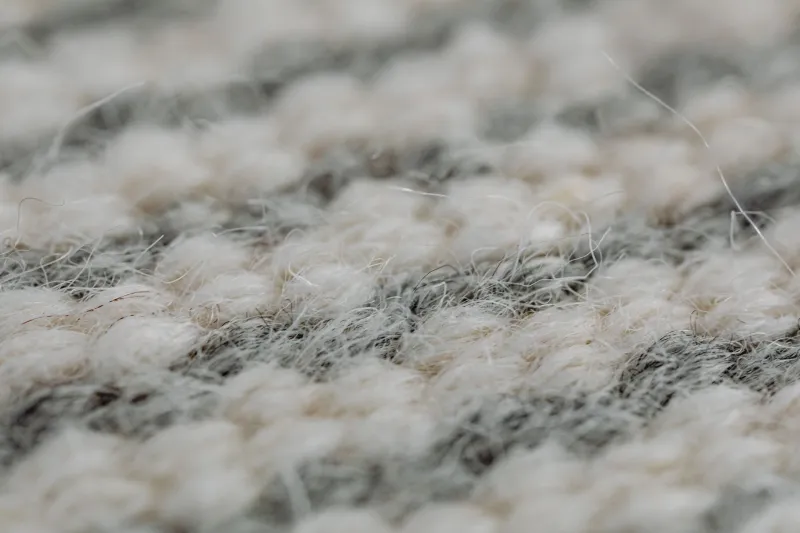
In the world of digital design, a texture pack is a collection of surface images applied to a three-dimensional environment to give it depth, character, and visual authenticity. Without texture, even the most elaborately constructed digital landscape remains flat — a suggestion of a world rather than a world itself. The principle translates with startling accuracy to the art of travel. The destinations that remain with us longest, that continue to inhabit our dreams and reshape our sensibilities long after we have returned home, are invariably those that engaged not merely our eyes and our itineraries, but our skin, our fingertips, and our most instinctive physical intelligence.
Texture, in travel as in design, is what separates the rendered from the real.
What a Texture Pack Does — and What Travel Can Learn From It
In gaming and architectural visualization, a texture pack typically comprises several distinct components: diffuse maps (which define the base color and surface pattern of a material), normal maps (which simulate the way light interacts with surface irregularities to create the illusion of depth), specular maps (which control how surfaces reflect light), and displacement maps (which actually alter the geometry of a surface to create physical relief). Together, these layers produce an environment that feels inhabited, aged, and materially specific — an environment that rewards close attention.
The luxury traveler who approaches a destination with similar intentionality — who asks not merely where shall I go but what will I feel, smell, and touch when I arrive — is applying the same layered logic to the construction of experience. They are, in effect, curating their own texture pack.
The Diffuse Layer: Reading the Base Character of a Place
Every destination has what might be called a diffuse layer — the fundamental material palette from which its character is constructed. In the hill towns of Umbria, this layer is travertine and terracotta: warm, porous, ancient stone that holds the heat of the afternoon sun and releases it slowly into the evening air. In the coastal villages of Maine, it is weathered cedar shingle and salt-bleached rope, surfaces worn by decades of Atlantic wind into a silvery softness that is entirely their own.
The discerning traveler learns to identify this base layer before arrival, allowing it to inform their packing choices, their accommodation preferences, and their expectations of how a place will feel against the body. A villa with stone floors requires different footwear than a beach house with warm wood decking. These are not trivial considerations — they are the first act of sensory preparation.
The Normal Map: How Light and Shadow Reveal a Destination's Depth
In digital texturing, the normal map is what creates the illusion of surface complexity — the way light catches the edge of a carved detail, the way shadow pools in the recesses of a rough-plastered wall. In travel, this dimension is revealed through the quality of light specific to a place and the way that light interacts with local materials.
The golden-hour light of the Alentejo in Portugal, falling across whitewashed walls and cork-oak bark, creates a visual and tactile experience that is entirely unrepeatable elsewhere. The flat, silver light of an overcast morning in Kyoto, diffused through shoji screens and reflecting off raked gravel, produces a quality of stillness and surface that has shaped an entire aesthetic tradition. The luxury traveler who understands this dimension of place plans their days accordingly — rising early to experience the morning light on a particular facade, lingering in the late afternoon when the angles deepen and the textures of a landscape become most legible.
The Specular Layer: Surfaces That Speak of Craft and Time
Specularity — the quality of reflectivity in a surface — is one of the most reliable indicators of age, craft, and material integrity. A hand-polished marble floor in a Venetian palazzo reflects light differently than a machine-cut tile. A piece of lacquerware aged over generations develops a depth of sheen that no factory process can replicate. The burnished leather of a well-made travel bag, softened by years of use, carries within its surface a history that is legible to those who know how to read it.
For the luxury traveler, the pursuit of specular authenticity means choosing accommodations, objects, and environments that have been shaped by time and human hands rather than industrial efficiency. It means preferring the slightly uneven glaze of a handmade ceramic cup to the perfect uniformity of its mass-produced counterpart. It means understanding that patina is not imperfection — it is evidence.
The Displacement Map: Experiences That Alter the Landscape of the Self
The most powerful element in any texture pack is the displacement map — the layer that does not merely simulate depth but actually creates it, physically reshaping the geometry of a surface. In travel, the equivalent is the experience that does not merely add to one's store of memories but genuinely alters the contours of the self.
These are the experiences that the most intentional luxury travelers seek above all others: the silent dawn meditation in a Himalayan monastery that reorganizes one's relationship to time; the evening spent with a master glassblower in Murano that permanently changes the way one sees the relationship between fire, breath, and form; the night in a desert camp beneath the Milky Way that renders every prior conception of scale and significance permanently insufficient.
Assembling Your Own Sensory Texture Pack
The practice of traveling with textural intelligence begins before departure. Research not only the visual character of a destination but its material culture — the stones it is built from, the fabrics its artisans weave, the surfaces its cuisine is served upon. Pack accordingly: natural fibers that will absorb and reflect the character of warm climates, layers that will respond to the particular cold of a mountain morning.
Upon arrival, slow down enough to touch things. Run your hand along a dry-stone wall. Remove your shoes on a tatami floor. Notice the grain of the wood in a centuries-old door frame. These are not sentimental gestures — they are the acts of a traveler who understands that the most complete experience of a place is always, in the end, a full-body encounter.
Texture, in travel as in design, is not decoration. It is the substance of the real.