The Feline as Companion and Investment: Understanding the Value of the Mackerel Tabby Cat
Among the many pleasures that define the life of the well-traveled, globally minded individual, the companionship of a remarkable cat holds a place of enduring distinction. From the Siamese cats that graced the palaces of ancient Siam to the Russian Blues favored by the European aristocracy, felines have long been understood as creatures of refinement — companions whose presence elevates the quality of domestic life in ways that resist easy quantification.
The mackerel tabby, one of the most ancient and recognizable of all domestic cat patterns, is currently enjoying a moment of renewed appreciation among discerning pet owners across the United States. For those considering acquiring one — whether as a companion for the home between journeys or as a permanent resident of a primary residence — understanding the question of value is both practical and philosophical.
What Is a Mackerel Tabby?
Before addressing the question of cost, it is worth establishing precisely what a mackerel tabby is — and what it is not.
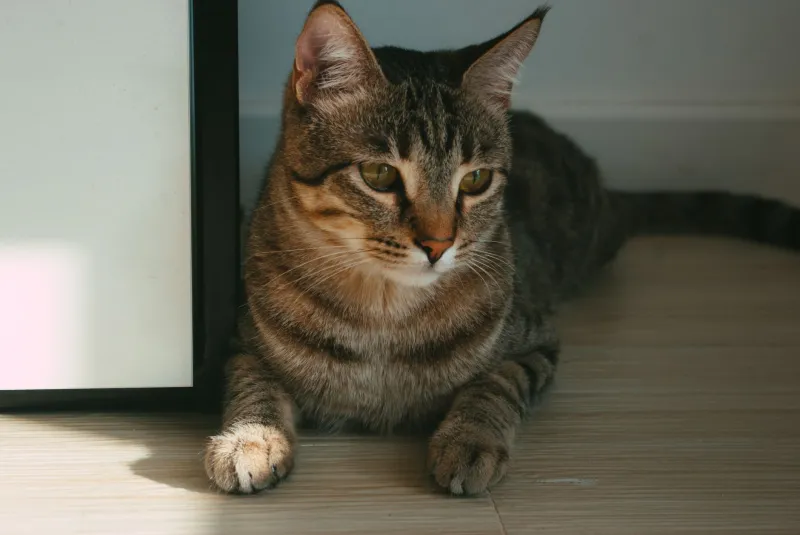
"Tabby" is not a breed. It is a coat pattern, one of the most genetically dominant in the domestic cat population. The mackerel tabby pattern specifically is characterized by narrow, parallel vertical stripes running along the cat's sides, resembling the bones of a fish — hence the name, drawn from the mackerel's distinctive skeletal structure. A dark line runs along the spine, with narrower stripes branching from it on either side. The face typically shows the characteristic "M" marking on the forehead that is common to all tabby patterns.
Mackerel tabbies are found across dozens of recognized breeds — including the Maine Coon, the Bengal, the Abyssinian, the American Shorthair, and many others — as well as in the vast population of domestic mixed-breed cats. The pattern itself does not determine a cat's monetary value; the breed, lineage, health documentation, and breeder reputation are the primary drivers of price.
The Price Range: What to Expect
For the prospective owner asking how much a mackerel tabby cat is worth, the honest answer spans a remarkably wide range:
Shelter and rescue adoption: A mackerel tabby of mixed or unknown heritage adopted from a reputable shelter or rescue organization in the United States typically costs between $50 and $200. This fee generally covers initial vaccinations, spay or neuter surgery, and a basic health screening. For the pragmatic and compassionate owner, this is often the most responsible path.
Mixed-breed from a private rehoming: Private rehoming arrangements for kittens of mixed heritage are common across the country and may involve little to no fee, or a nominal rehoming contribution of $50 to $150.
Purebred mackerel tabby from a reputable breeder: Here is where the investment conversation becomes genuinely interesting. A mackerel-patterned Maine Coon from a TICA- or CFA-registered cattery in the United States will typically command between $1,500 and $3,500, with show-quality specimens from champion lines sometimes exceeding $5,000. A Bengal with mackerel-influenced rosette patterning from an elite breeder may reach similar figures. The American Shorthair in classic tabby pattern, one of the oldest recognized breeds in the country, typically ranges from $600 to $1,200 from a reputable source.
Rare or specialty breeds: Certain breeds in which the mackerel tabby pattern appears — the Ocicat, for instance, or the Toyger, which was specifically developed to evoke the appearance of a wild tiger — may command premium prices reflecting the selectivity of their breeding programs. Toyger kittens from established breeders have been known to sell for $3,000 to $5,000.
What Drives the Value of a Purebred Cat?
For the luxury-minded buyer, understanding what justifies the premium of a well-bred cat is essential. The price of a kitten from a reputable cattery reflects not merely the animal itself but an entire infrastructure of responsible breeding practice:
- Health testing of parent animals for breed-specific genetic conditions, such as hypertrophic cardiomyopathy in Maine Coons
- Socialization protocols that produce kittens with stable, confident temperaments
- Veterinary care from birth through the point of sale, including vaccinations, deworming, and initial health guarantees
- Registration with recognized governing bodies such as The International Cat Association (TICA) or the Cat Fanciers' Association (CFA)
- Breeder support and the ongoing relationship that the best catteries maintain with their kitten buyers
The Traveling Owner's Considerations
For the Wanderluce reader whose lifestyle involves extended travel, the decision to bring a cat into one's life carries particular weight. Cats are, by temperament, creatures of environment — they thrive on the familiarity of their home territory in ways that make extended absences a genuine welfare consideration.
The most responsible traveling cat owners invest in exceptional in-home care: professional pet sitters who visit daily, or live-in arrangements for extended journeys. Some luxury properties now offer what might be termed "cat concierge" services — professional sitters who maintain a cat's routine, document their wellbeing through daily updates, and provide the kind of attentive care that a cherished companion deserves.
The mackerel tabby, with its generally adaptable temperament and social intelligence, is often well-suited to this kind of arrangement — provided the care is genuinely excellent.
The Incalculable Worth
Any honest discussion of a cat's value must ultimately acknowledge what no price tag can capture: the quality of presence that a well-matched feline companion brings to a life. The mackerel tabby, with its ancient lineage and its quietly confident character, has been a companion to human beings for thousands of years — crossing continents, adapting to new climates, and offering its particular form of unhurried companionship to those fortunate enough to earn it.
For the discerning owner, that is worth a great deal indeed.