Feathered Companions in Transit: The Discerning Avian Owner's Guide to Bird Vitamins and Nutritional Wellness While Traveling
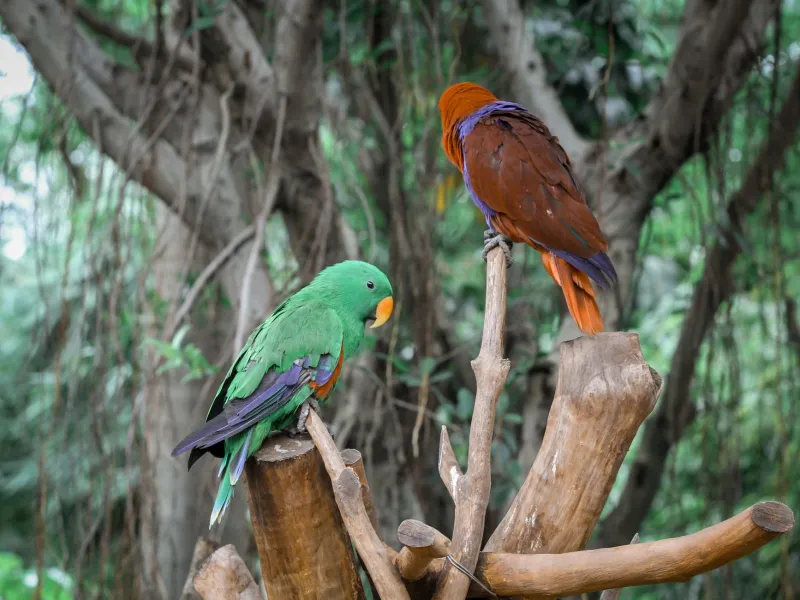
Among the most devoted communities in the world of luxury pet ownership, avian enthusiasts occupy a particularly passionate corner. From the African Grey parrots favored by collectors in the American Northeast to the sun conures and macaws that grace the homes of discerning bird keepers across California and Florida, exotic birds are not merely pets — they are long-term companions, often outliving the dogs and cats with whom they share a household.
For the Wanderluce reader who counts a feathered companion among their most cherished relationships, travel presents a unique set of responsibilities. Chief among them: ensuring that your bird's nutritional needs are met with the same rigor you would apply to your own wellness regimen.
The question of whether to give your bird vitamins is one that surfaces frequently in avian care circles, and the answer — as with most things in the world of sophisticated animal husbandry — is nuanced.
Understanding the Baseline: Does Your Bird's Diet Already Provide Sufficient Nutrition?
The first and most important question to ask before introducing any supplement is whether your bird's existing diet is nutritionally complete. This is where many well-meaning bird owners inadvertently complicate matters.
Avian nutritionists generally agree that a bird maintained on a high-quality pelleted diet — such as those produced by Harrison's Bird Foods or Roudybush, both of which are widely regarded as benchmarks in the field — is likely receiving a nutritionally balanced foundation. In these cases, the addition of supplemental vitamins may actually create an imbalance, as certain fat-soluble vitamins such as A, D, and E can accumulate to toxic levels when provided in excess of dietary requirements.
By contrast, a bird whose diet is primarily seed-based — a common but nutritionally incomplete approach — is almost certainly deficient in key vitamins and may benefit significantly from targeted supplementation.
The takeaway: supplementation decisions should always begin with an honest assessment of what your bird is actually eating.
When Vitamins Are Warranted
There are specific circumstances under which avian vitamin supplementation is not merely reasonable but advisable. These include:
During periods of stress. Travel, changes in environment, and disruptions to routine are all stressors that can suppress a bird's immune function and increase nutritional demand. If you are traveling and your bird is in the care of a sitter, or if your bird has recently been moved to a new environment, a short-term course of a broad-spectrum avian vitamin supplement may provide meaningful support.
During recovery from illness or surgery. Birds convalescing from health challenges often have elevated nutritional requirements. Your avian veterinarian — not a general practice vet, but a specialist certified in avian medicine — is your most important resource here.
When transitioning diets. Moving a bird from a seed-heavy diet to a pelleted one is a process that can take weeks and may involve periods of reduced food intake. Supplementation during this window can help bridge nutritional gaps.
For breeding birds. Hens in breeding condition have substantially elevated requirements for calcium and certain vitamins. This is a specialized area that warrants direct veterinary guidance.
Choosing the Right Supplement
The avian supplement market in the United States has expanded considerably in recent years, and the quality of available products varies widely. When evaluating options, look for supplements that are specifically formulated for birds — not repurposed human or canine products — and that list their ingredients with transparency.
Products such as Lafeber's Avi-Era and ZuPreem's Avian Vitamins are frequently recommended within the avian community as reliable, well-formulated options. Liquid supplements added to drinking water are convenient but carry a risk: if your bird drinks less than usual (common during stress or travel), the dose becomes unpredictable. Powder supplements sprinkled onto fresh food offer more reliable delivery.
Always consult with a board-certified avian veterinarian before beginning any supplementation protocol. The Association of Avian Veterinarians maintains a directory of certified practitioners across the United States and is an invaluable resource for any serious bird owner.
The Traveling Bird: Special Nutritional Considerations
For the rare bird owner who travels with their avian companion — a practice that, while logistically demanding, is increasingly accommodated by luxury travel providers — nutritional consistency becomes paramount. Birds are creatures of habit, and the disruption of travel can suppress appetite and compromise immune function.
Before any journey with a bird, we recommend:
- Consulting your avian vet for a pre-travel wellness check and specific nutritional guidance for the trip
- Packing a sufficient supply of your bird's regular food to avoid reliance on unfamiliar products at your destination
- Bringing any approved supplements in their original, labeled containers — particularly important if traveling internationally
- Researching the avian veterinary resources available at your destination before you depart
For those whose birds remain at home during travel, establishing a detailed care protocol with your bird sitter — including feeding schedules, supplement administration, and behavioral baselines — is a non-negotiable act of responsible ownership.
The Broader Principle: Wellness as a Continuous Practice
At Wanderluce, we believe that the care we extend to our animal companions reflects the same values that guide our approach to travel: intentionality, expertise, and a refusal to accept mediocrity. Whether you are selecting a destination or choosing a vitamin supplement for your African Grey, the discerning approach is always the same — consult the best available expertise, act with care, and never cut corners on the things that truly matter.
Your bird is not merely a pet. It is a relationship that may span decades. Treat its wellness accordingly.