The Shadow Side of Authority: What Luxury Travelers Should Understand About Police Corruption Around the World
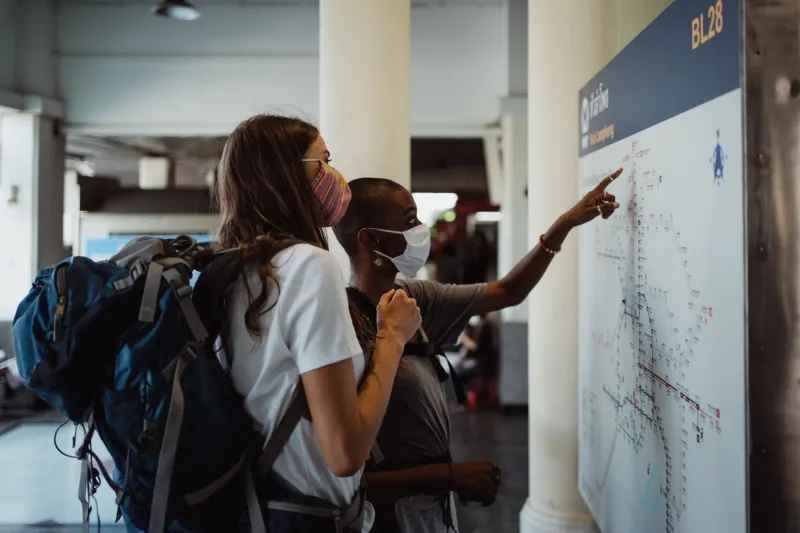
There is a particular vulnerability that accompanies travel, however well-appointed the circumstances. You are, by definition, a stranger — unfamiliar with local customs, legal frameworks, and the informal power structures that govern daily life in places far from home. For the luxury traveler who moves through the world's most complex and beautiful destinations, understanding the darker dimensions of institutional authority is not pessimism. It is preparation.
Police corruption exists on a spectrum, and its most serious forms are not simply inconveniences. They represent genuine threats to personal freedom, financial security, and physical safety. Knowing the difference — and knowing how to respond — is knowledge that belongs in every discerning traveler's repertoire.
Understanding the Spectrum
Corruption within law enforcement takes many forms, ranging from petty bribery to systemic criminal enterprise. At the lower end of the spectrum, travelers may encounter opportunistic corruption: a traffic stop that resolves itself with a cash payment, an unofficial "fee" for an expedited document, or a manufactured infraction designed to extract a small sum from a foreign visitor.
These encounters, while unpleasant and ethically troubling, are generally navigable. They are transactional in nature and, while they should never be normalized or encouraged, they do not typically escalate into serious harm when handled with composure and cultural awareness.
The Most Serious Form: Predatory Systemic Corruption
The most dangerous form of police corruption is what criminologists and governance scholars refer to as predatory or systemic corruption — a condition in which law enforcement operates not as a protective institution but as an instrument of criminal extraction or political suppression.
In its most extreme manifestation, this takes the form of law enforcement officers who are themselves embedded within criminal organizations, actively facilitating drug trafficking, human exploitation, or organized extortion. In such environments, an encounter with police may not offer the protection one would expect — it may, in fact, represent the greatest source of danger.
The U.S. Department of State's travel advisories explicitly flag countries and regions where this dynamic is present, and the language used — "Do Not Travel" or "Reconsider Travel" designations — should be taken with the utmost seriousness by any American traveler, regardless of the perceived glamour of the destination.
Why This Matters to the Luxury Traveler Specifically
Affluent travelers face a particular calculus when it comes to corruption. Visible wealth — fine luggage, luxury vehicles, designer clothing, premium accommodations — can make one a more attractive target for opportunistic actors, whether uniformed or otherwise. In some regions, the perception of significant financial resources can escalate an encounter that might otherwise remain minor.
Equally important is the legal dimension. In several countries, being caught in a situation engineered by corrupt officials — even as an innocent party — can result in detention, asset seizure, or forced negotiation that bears little resemblance to due process as Americans understand it. The protections afforded by U.S. citizenship are meaningful but not unlimited, and the State Department's capacity to intervene in foreign legal proceedings is more constrained than many travelers assume.
Practical Guidance for the Informed Traveler
The most effective protection against corruption-related risk begins before departure. Registering with the Smart Traveler Enrollment Program (STEP) through the U.S. Embassy in your destination country ensures that American consular services are aware of your presence and can reach you in an emergency.
Engaging a reputable destination management company or luxury travel advisor with deep regional expertise is equally valuable. These professionals maintain relationships with local legal counsel, understand the informal dynamics of their destinations, and can provide guidance that no travel app or guidebook can replicate.
While traveling, maintaining digital and physical copies of all identification documents, travel insurance policies, and emergency contacts is essential. In the event of an encounter with law enforcement — whether legitimate or otherwise — remain calm, do not offer payment, and request consular access if detained.
The Informed Traveler's Responsibility
Luxury travel, at its most meaningful, is not simply the consumption of beautiful experiences. It is an act of engaged global citizenship. Understanding the political and institutional realities of the places we visit — including their failings — deepens our relationship with the world and sharpens our capacity to move through it with both grace and wisdom.
The most serious forms of police corruption represent a genuine challenge to that ideal. But awareness, preparation, and the counsel of trusted experts transform risk into manageable knowledge. And that, ultimately, is what separates the truly discerning traveler from the merely well-funded one.